
Hip-Hop Music Isn't Dead, You're Just Lazy
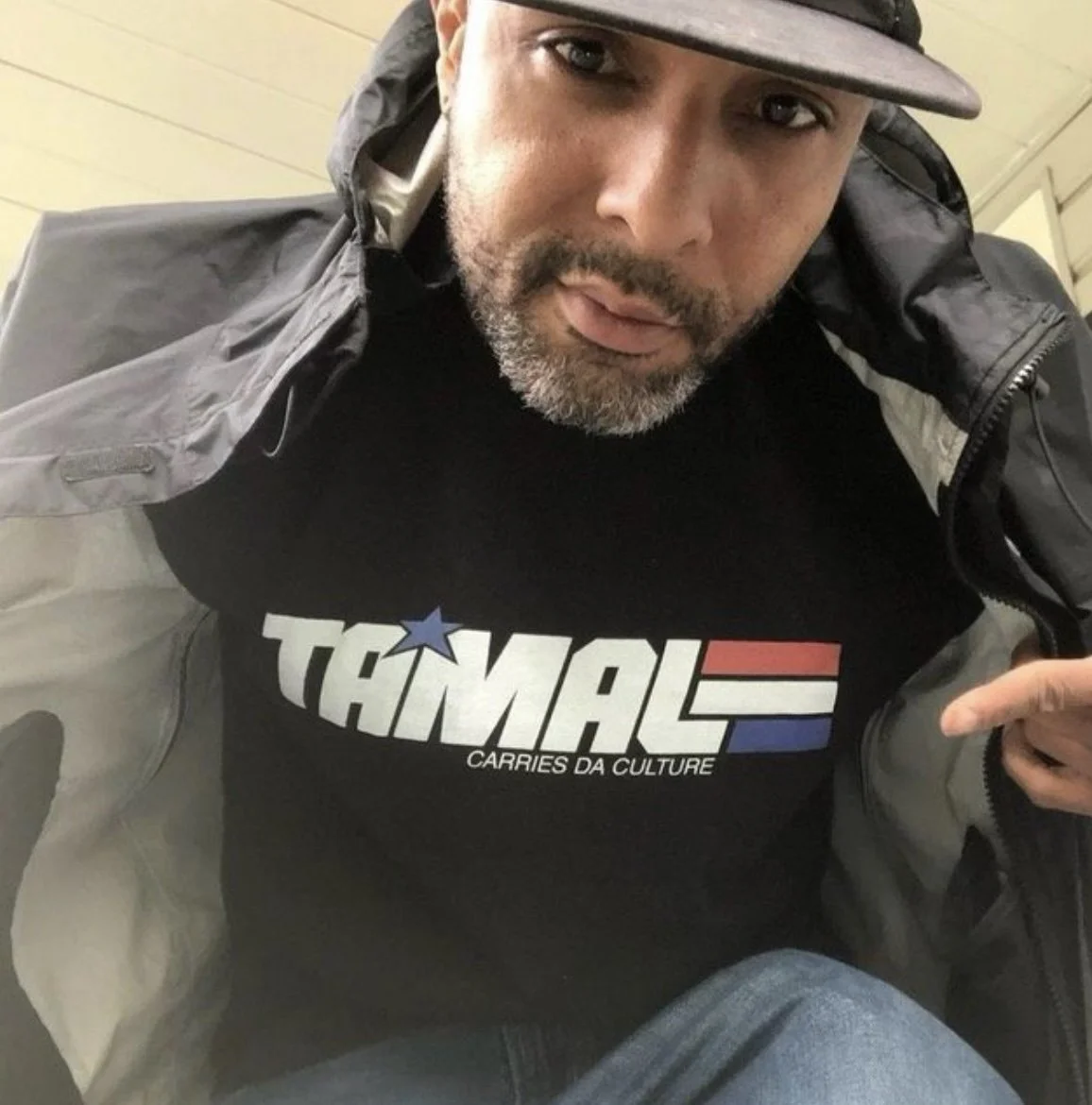
ARTICLE TAMAL OF CARRYING THE CULTURE
One of the most tired narratives on social media is that Hip-Hop, particularly its music, is dead. Open up any app and it won't take long to see a post screaming, “There's no good music!” or “Hip-Hop died when (insert dead rapper here) died”! It almost feels like it's become mandatory for podcasts and bloggers to dedicate entire shows to trashing the current state of Hip-Hop. Unfortunately, the general public willingly takes the bait, jumps on the bandwagon, and regurgitates the fuckery. Somehow, declaring Hip-Hop dead has become the default way to generate engagement. While it's no secret that Hip-Hop music is not like it used to be, saying it's dead is a tired, reckless narrative that pollutes the culture.
The first issue is that when most people declare Hip-Hop dead, they're usually only referring to the music – completely ignoring the other three elements and the corollaries that make up the culture. This is a huge issue in and of itself, but for the sake of this discussion, we'll only focus on rap music. Regardless, whether we're looking at the entire culture or just the music, that argument holds no weight.
For those of us who came up listening to Hip-Hop during the 80s and 90s, we were definitely blessed. Some of the greatest tracks of all time were being regularly played on FM radio. For example, Hot 97 in New York, Power 99 in Philly, and KDAY in LA were just some of the major stations around the country sharing dope music. On television, we could literally come home from school and watch Yo! MTV Raps, Rap City, Video Music Box or other outlets playing the best rap music on commercial airwaves. We were able to hear everyone from Public Enemy to Divine Styler. Even shows like Arsenio Hall and In Living Color were breaking records and showcasing performances from groups like A Tribe Called Quest and Gang Starr. During this time, there was no need to make a distinction between commercial and underground, because the commercial music WAS the dope music! And we had full access to it 24/7. To say we were spoiled would be an understatement. It was the ultimate case of being born in the right place at the right time.
Although we had the privilege of easy access to great music, a distinct shift had taken place by 1997 (give or take a year). Commercialized, “easily digestible” Hip-Hop was seen as a viable cash cow for record execs and, by 2003, had become the primary form of the genre being promoted through the media. This gave fans 2 choices: follow the new mainstream Hip-Hop being made or stick with the sound that made one a fan in the first place. The choice would prove to be a critical one, as it would shape our experience for years to come. For those of us who went the less popular (but arguably more authentic) route, we quickly realized that the music being broadcast commercially was no longer the grassroots music we had come to love. It was a watered-down version lacking substance. If we still wanted to hear elite lyricism and dope concepts over top-notch production, we were going to have to actively look for it.
The major issue with searching for music is that streaming has made it easy for anyone (and I mean anyone) to release music, leaving the field oversaturated. Labels no longer singlehandedly control distribution, and there are hundreds if not thousands of albums dropping weekly. And to be honest, a lot of them suck. We have access to more bad music than we've ever had before and have to weed through hundreds of artists on dozens of platforms to find something we like. Those still wanting to be spoon-fed like we were 30-plus years ago have been unwilling to make that effort. They've taken the easy route of following the popular lane, whether the music is good or not. But the bottom line is this – it's not 1992 anymore. Authentic Hip-Hop isn't being celebrated on a mainstream level, but ratchet microwave Hip-Hop is. If we want music that embodies traditional Hip-Hop values, then we have toput some work into finding it and support platforms pushing the real.
People who claim Hip-Hop is dead usually fall into one of three categories. The first is the disgruntled artist who isn't getting the shine they used to get. Chances are their music never had much substance in the first place, so nobody cares anymore. The second is the artist who feels like the culture “let them down,” so they retire and do projects like instrumental flute albums. (Insert eyeroll here.) So because they no longer feel inspired to make music, that means it's dead? The third category is the “fan” who only ever rocked with commercial Hip-Hop. Remember the group of people who stayed in the commercial lane when things started going sideways? Those people are complaining because they only follow trends. And they continued to follow commercial Hip-Hop as it went into the dumpster. This type of Hip-Hop head only rocks with what mainstream outlets say is hot and probably couldn't name Mobb Deep song other than Shook Ones. I've yet to hear anyone (fan or artist) who genuinely loves Hip-Hop culture make this claim.
Claiming Hip-Hop is dead is not only inaccurate, but it's a slap in the face to all of the artists, old and new, who continue to put out quality material. It's also an insult to every fan who is invested in the culture. But unfortunately, this reckless viewpoint continues to pick up traction on social media platforms. Dope music is still alive and well—it's simply not being spoon-fed to us like it was 35 years ago. God forbid people actually put an effort into looking.