
SHAME SEASON | Shame Gang
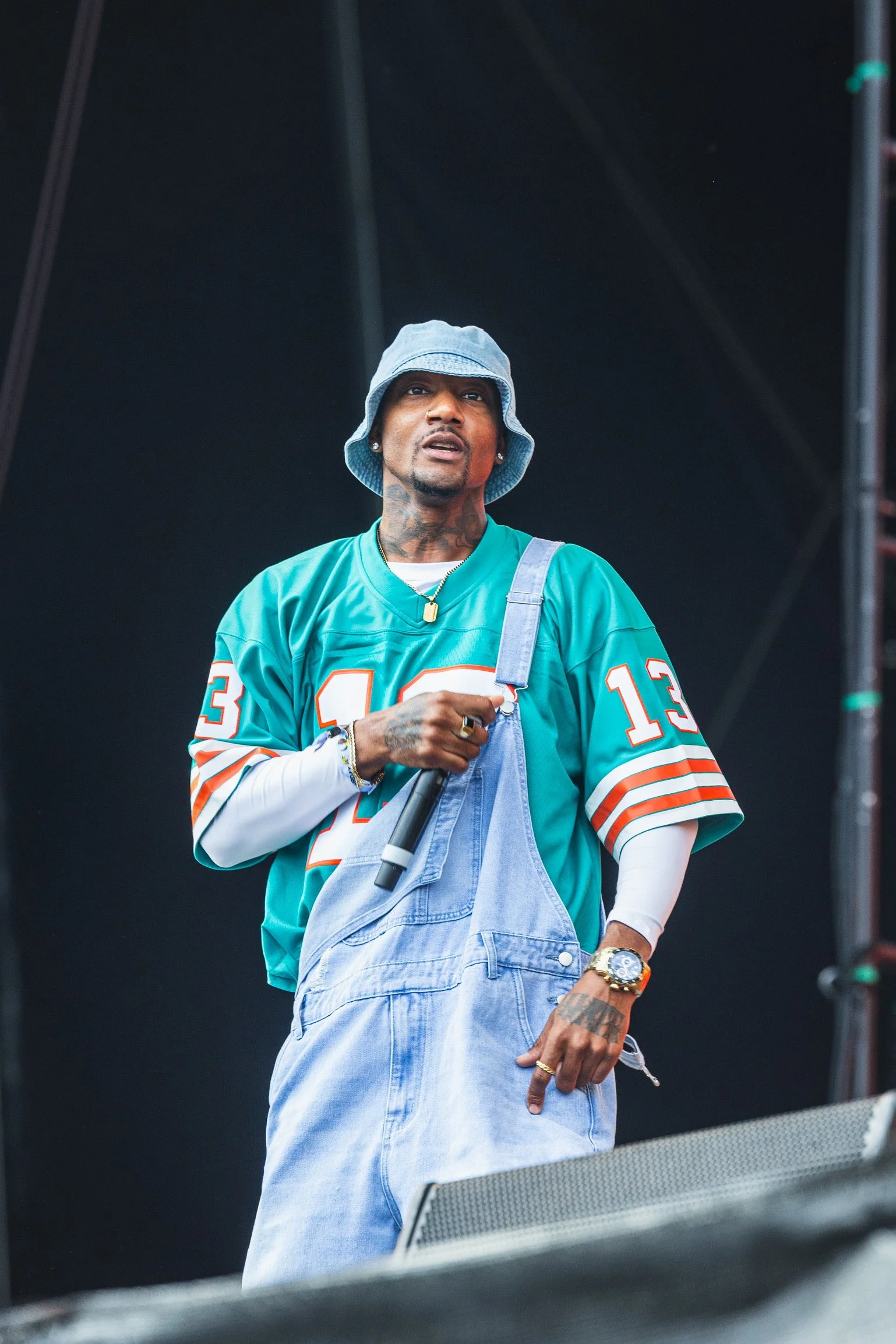
INTERVIEW TERRELL “REALIFE” BLACK PHOTOGRAPHY @WXNDYFOTOS
From the D.C. area to the heart of North Carolina’s thriving underground, Shame Gang’s journey is rooted in movement, growth, and relentless evolution. What began in the nation’s capital sharpened in the cyphers, open mics, and grassroots venues of the South, where iron truly sharpened iron. North Carolina didn’t just refine his delivery—it fortified his hunger and gave him the space to truly define himself as an MC. The transition forced him to adapt, compete, and earn every ounce of respect. In doing so, he developed not just as a rapper, but as a complete artist with something real to say.
Over time, Shame Gang has carved out a reputation built on sharp lyricism, cinematic detail, and an undeniable drive. His grind is rooted in self-discipline and fueled by family, personal loss, and an unwavering desire to evolve. Early struggles with finding his sonic identity eventually gave way to creative clarity, turning doubt into direction and pain into purpose.
That evolution is evident in projects like No Safe Haven and Better Late Than Never, bodies of work that marked pivotal chapters in his artistic development. The former represented the moment he found comfort in his voice, even while navigating personal grief. The latter reflected a matured songwriter—less concerned with proving lyrical dominance and more focused on crafting timeless records and enjoying the creative process.
Sharing stages with legends like the Wu-Tang Clan and touring alongside Rapper Big Pooh sharpened his professionalism and performance instincts. Watching greatness up close reinforced a simple but powerful lesson: stay ready. Every show became an opportunity to raise his standards and treat the mic like a proving ground.
His reach soon expanded beyond regional acclaim. Recognition from platforms like REVOLT and a career-defining placement on Madden NFL 23 introduced his music to audiences worldwide. For an artist who grew up gaming, that moment wasn’t just validation—it was a dream realized and a signal that his sound could travel far beyond traditional hip-hop circles.
As a member of Dreamville artist Lute’s Slum County imprint, Shame Gang continues to grow within a circle that values authenticity and craftsmanship. The relationships were organic, the foundation genuine, and the partnership a natural progression. Collaborations across regions and styles have only strengthened his versatility while reinforcing his commitment to substance over hype.
With Oil Stains & 808’s setting the tone for what’s next and major stages like SXSW and Dreamville Fest added to his résumé, Shame Gang stands at a defining moment in his career. Success now means legacy—retiring his mother, uplifting his family, earning peer respect, and cementing his name in North Carolina’s culture. As he heads into 2026 promising more music and more consistency, one thing is clear: this isn’t just a run—it’s Shame Season.
VALIDATED: You’re originally from the D.C. area but have become a staple in North Carolina’s hip-hop scene. How did that transition shape both your sound and your perspective as an artist?
SHAME GANG: Living in North Carolina played a huge role in shaping my skills as a rapper and MC. Attending open mics, participating in cyphers, and constantly developing my craft—it was like iron sharpening iron.
I still believe North Carolina offers some of the best underground opportunities out there.
VALIDATED: Your music is known for sharp lyricism and an undeniable hunger. Where does that relentless grind come from, and what life experiences fueled it early on?
SHAME GANG: My grind comes from wanting to be a better version of myself and continuing to grow as a songwriter. I’m always challenging myself to explore new creative territory and do things musically that I haven’t done before.
My family is also a major source of support in my life, and I use that as motivation every single day.
VALIDATED: Touring with Rapper Big Pooh and opening for Wu-Tang Clan are major milestones. What lessons did you take away from sharing stages with artists who represent two different eras of hip-hop excellence?
SHAME GANG: One of the biggest lessons I learned early on is that you have to stay ready at all times, because your number can be called at any moment. Touring and watching greats like Wu-Tang Clan and Little Brother helped me become a better performer and pushed me to raise my own standards.
VALIDATED: No Safe Haven and Better Late Than Never both received critical acclaim and placements on platforms like 2DopeBoyz and Revolt. Looking back, what did those projects represent for you creatively and mentally at the time?
SHAME GANG: No Safe Haven was a turning point for me—it was the moment I finally found my sound and my voice, and truly felt comfortable in it. Coming up as a younger artist, I struggled with defining my sonic identity and recording in environments where I felt at ease.
By the time I got to Better Late Than Never, I was confident as a songwriter. I wasn’t as focused on being overly lyrical—I just wanted to make better songs and actually enjoy the process.
Around the time of No Safe Haven, I was also recovering from the loss of my brother, which put me in a very different mental space. It was hard to even record music. I don’t know how I pushed through it, but thank God I did.
VALIDATED: Your music being featured on Madden 23 introduced your work to a global audience outside of traditional hip-hop spaces. What did that moment mean to you, and how did it change the way you viewed your reach as an artist?
SHAME GANG: Being featured on Madden was a dream come true. I grew up playing games like Madden and NBA 2K, so having my music included was a major milestone. I felt overwhelmed—in the best way possible.
VALIDATED: You’re part of Dreamville artist Lute’s Slum County imprint. What drew you to that camp, and how has being under that umbrella helped sharpen your artistry or business approach?
SHAME GANG: What drew me to Slum County was the relationship between my manager and Lute’s manager, who made music together years ago. That connection is how I first met Lute.
From there, we built a genuine friendship that naturally evolved into a musical partnership and eventually led to me becoming part of the Slum County imprint. It’s been a dope journey watching him up close and learning every step of the way.
VALIDATED: Collaborating with artists like Lute, Conway the Machine, and The Game puts you in conversations across regions and styles. What do you look for in a collaboration before you ever step in the booth?
SHAME GANG: When it comes to collaborating, I still love sparring with lyrical artists in my lane, but my focus now is on creating great songs—records that can truly stand the test of time.
VALIDATED: In 2023, you were crowned Shade 45’s Best New Artist and named Raleigh Tribune’s Artist of the Month. At what point did you realize your work was truly cutting through the noise?
SHAME GANG: I realized my music was truly cutting through when my peers and people around the city began consistently showing love and acknowledging what I bring to the culture. It’s been a blessing and an incredible journey.
VALIDATED: The “Million and One” video surpassing 280K views and premiering on Revolt TV was a major look. What story were you trying to tell visually, and why was that record important to you?
SHAME GANG: I’ve always considered myself a cinematic artist. When I create music videos, I aim to paint vivid pictures and operate in a film-like space, largely because I’m a huge movie fan.
Shooting the “Million and One” video was an incredible experience, especially working with Kent, the director. Watching and studying his process inspired me. Once I eventually hang up the mic, I’d like to transition into more work in television and film.
VALIDATED: From Wu-Tang Tour 2019 to SXSW 2025 and Dreamville Fest 2025, your live performance résumé keeps growing. How has your approach to performing evolved over the years?
SHAME GANG: I take performing very seriously—it’s all about your presentation. I believe you should always be ready. When I step on the mic, it’s like LeBron James stepping onto the court: I’m ready to take over the game and showcase everything I have. Whether it’s 10 people or 10,000, I give the absolute best performance I possibly can.
VALIDATED: Being a Spotlight Artist for WRAL First Night NYE put you in front of a diverse, non-traditional hip-hop audience. How do you balance staying true to your roots while still being accessible to new listeners?
SHAME GANG: The first night show was an amazing experience. I try not to overthink things like diversity when I perform—I just focus on having fun and letting that energy resonate with the audience. Staying true to myself is how I connect with any crowd.
VALIDATED: Your most recent project, Oil Stains & 808’s, dropped in August 2025. My favorite record is a toss-up between “Never Relate” and “Drop,” but which song has resonated most with the fans?
SHAME GANG: From Oil Stains & 808s, my favorite records are “Drop” and “New Choppa.” I love the vibe of both. “Drop” gives me a nighttime energy, while “New Choppa” feels like cruising in an old-school car with the top down on a sunny day.
VALIDATED: How long did it take to put the EP together, and who did you collaborate with during the process?
SHAME GANG: It probably took me about a month to put Oil Stains & 808s together. Many of the songs didn’t make it onto my upcoming project, so I wanted to create something to pregame what’s next. While making the EP, I collaborated closely with my in-house production team, The Mercenaries. They constantly push me to think outside the box, and I rely on them heavily for creative support.
VALIDATED: Your catalog often reflects perseverance, timing, and patience. What does “success” look like for Shame Gang today compared to when you first started?
SHAME GANG: To me, success looks like being able to retire my mom through music and take care of my family so that no one has to struggle. I also want respect from my peers and to become a staple in North Carolina’s music scene—that’s the dream.
VALIDATED: North Carolina’s hip-hop scene has been gaining national respect. How do you see your role in pushing the culture forward in the South?
SHAME GANG: I believe I can help push the culture forward in North Carolina by staying consistent and continuing to be myself. Everything I’ve built so far has come from being genuine and authentic. I want to show the artists coming up after me that you don’t have to play a role or embrace negativity to carve out your own lane.
VALIDATED: When it’s all said and done, how do you want your name and music to be remembered within hip-hop history?
SHAME GANG: Point blank, I want my name to be remembered as a hard worker, a legend, and someone who never gave up. I gave everything I had.
VALIDATED: What can we expect from Shame Gang in 2026?
SHAME GANG: In 2026, expect more from Shame Gang—more music and way more consistency. In the past, I dropped just one project a year. In 2026, you’ll definitely get more than that. This is Shame season.